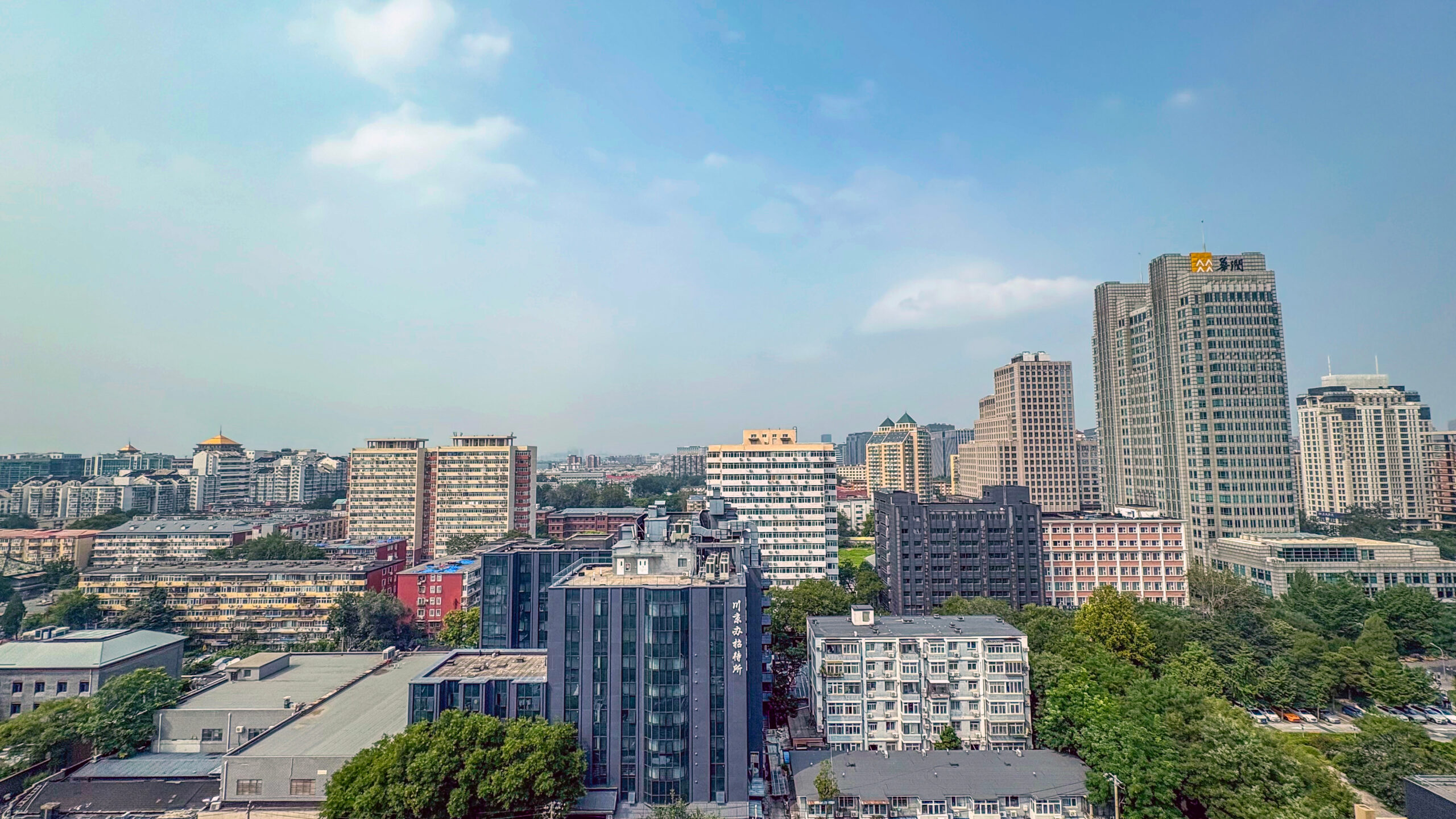
Montreal is full of beautiful architecture, bustling streets, and dense neighborhoods. For many residents, private outdoor space can feel limited. I have spent years helping clients see the potential of their rooftops. With thoughtful design, these often-overlooked areas can become green, livable spaces that offer relaxation, entertainment, and a connection to nature.
As the founder of Saltarelli Outdoor Design, I specialize in transforming rooftops, backyards, and urban terraces into functional and stylish outdoor areas. Over the years, I have helped homeowners across Montreal turn empty or underused rooftops into retreats that feel both private and inviting.
Seeing the Potential in Small Spaces
Rooftops are unique because they often come with challenges. Wind, sun exposure, and weight restrictions require careful planning. But these same factors can also be opportunities. A rooftop can provide panoramic views, plenty of sunlight for plants, and a blank canvas for creative layouts.
I often tell clients to start by thinking about how they want to use the space. Do you want a quiet area for morning coffee? A space to entertain friends? Or maybe a small urban garden to grow herbs and vegetables? Defining purpose first makes the rest of the design process much smoother.
Understanding the Environment
The rooftop environment affects plant choice and furniture selection. Exposure to strong winds may require heavier planters and wind-tolerant plants. Sun-drenched roofs can support vegetables, herbs, and flowering plants that thrive in full light. I always assess these factors before creating a plan. Observing how light moves across the rooftop during the day is essential for deciding where to place seating, planters, and other features.
Choosing the Right Plants
Plants bring life and energy to any rooftop. I like to use a mix of native plants, shrubs, and small trees for structure and texture. Native species are hardy, low-maintenance, and attract pollinators like bees and butterflies. Herbs like thyme, rosemary, and basil are also practical and fragrant additions.
Vertical planting is another strategy I often use. Installing trellises, green walls, or hanging planters saves floor space while creating a lush feeling. One rooftop I designed had a narrow layout, so we used vertical planters along the railing. The result was a sense of privacy, color, and greenery without crowding the walkway.
Sustainability on the Roof
Sustainability is always a priority. I recommend lightweight, eco-friendly planters, rainwater collection systems, and efficient drip irrigation. These strategies conserve resources and reduce maintenance. Even small measures, like composting kitchen scraps for rooftop planters, make a difference. Sustainable design ensures the space remains beautiful and functional for years to come.
Creating Functional Outdoor Spaces
A rooftop retreat should be practical as well as attractive. Furniture selection is key. Foldable tables, stackable chairs, and benches with built-in storage maximize usability without overcrowding the area. Clear pathways are essential for comfort and safety.
Lighting also transforms rooftop spaces, especially in the evening. Solar-powered LED lights along railings, string lights above seating areas, and small spotlights for plants create atmosphere without high energy use. One rooftop I worked on became a favorite evening spot for the owners simply by adding low-energy lighting and comfortable seating.
Adding Personal Touches
Small personal touches make a rooftop feel like an extension of the home. Outdoor rugs, cushions, and decorative planters add color and comfort. Water features, even compact ones, provide calming sounds. Artwork or sculptures designed for outdoor use can give the space a unique personality. These details make the rooftop feel intentional and lived-in, not just functional.
Benefits of Rooftop Retreats
Rooftop gardens and terraces offer many benefits beyond aesthetics. They provide private outdoor space, improve mental health, and encourage time spent outdoors. Studies show that access to greenery can reduce stress, increase focus, and even improve physical health. For city dwellers, a rooftop retreat can feel like a small escape from the hustle and bustle below.
Rooftop gardens also contribute to sustainability. Plants can cool buildings, absorb rainwater, and support local biodiversity. Even small terraces play a role in creating greener, more livable cities.
Making the Most of Every Rooftop
No matter the size of the rooftop, careful planning maximizes impact. Start with a clear vision, assess sunlight and wind, choose plants suited to the environment, and plan furniture and pathways carefully. Sustainability and comfort should guide every decision. Small details like lighting, textures, and personal touches transform ordinary rooftops into inviting retreats.
Final Thoughts
Rooftops are often overlooked, but they have incredible potential. With the right approach, they can become green, livable spaces that enhance daily life. Over the years, I have seen the joy these retreats bring to homeowners. People spend more time outdoors, entertain friends with ease, and enjoy private moments surrounded by plants and nature.
Designing a rooftop is about balancing function, beauty, and sustainability. Thoughtful plant selection, creative layouts, and personal touches make a rooftop retreat feel like an escape. Even in a dense city like Montreal, every rooftop has the potential to become a space for relaxation, enjoyment, and connection to nature.