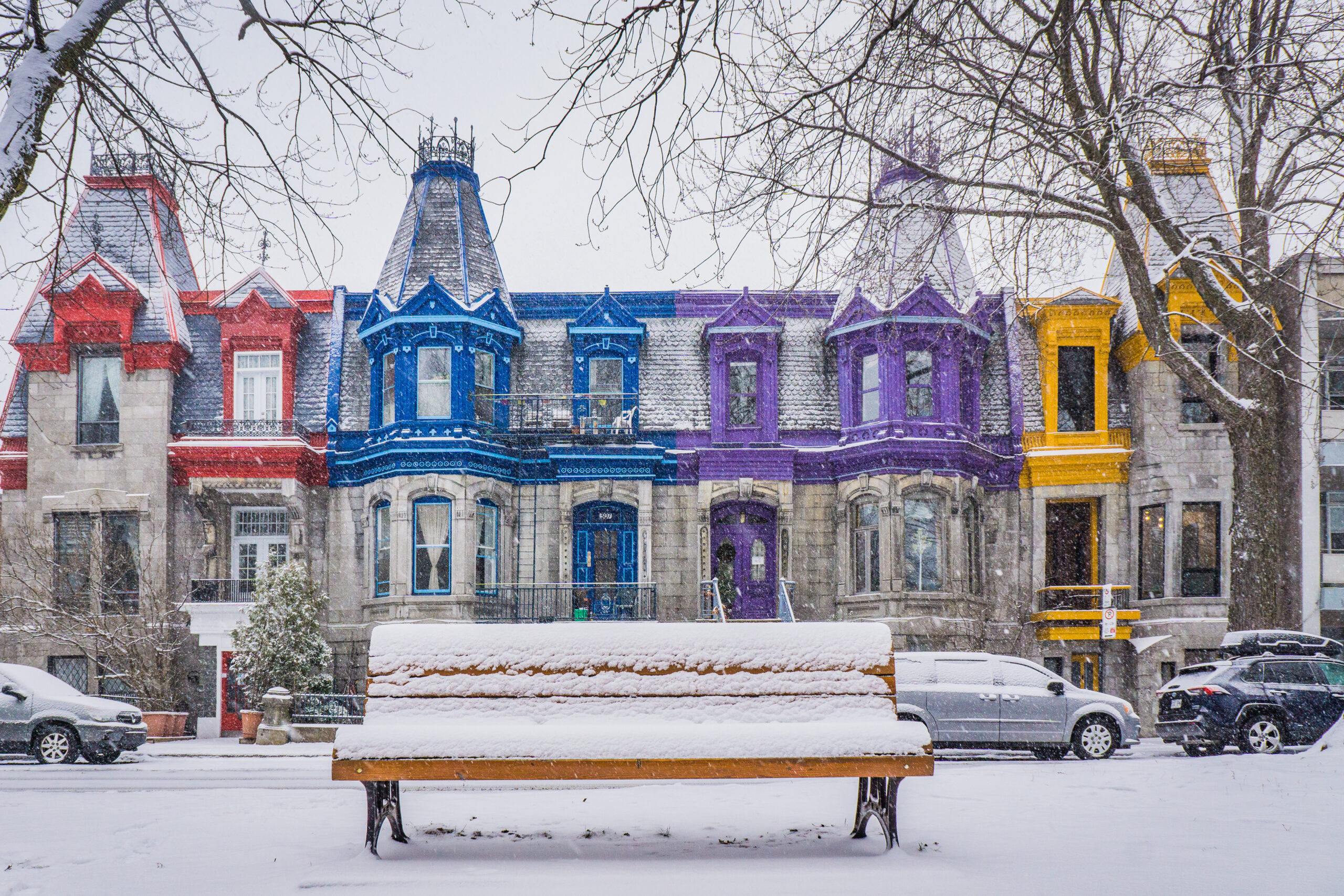
Designing a rooftop garden in Montreal is one of the most rewarding parts of my work. You are building a space above the city, with open sky, long views, and a sense of privacy that is rare in urban living. But Montreal is not an easy climate. Cold winters, heavy snow, strong winds, and freeze and thaw cycles all put pressure on rooftop environments.
I am Frank Saltarelli, a Montreal-based landscape designer and founder of Saltarelli Outdoor Design. My focus is on creating outdoor spaces that are both beautiful and built to last. Rooftop gardens are a perfect example of where design and engineering need to work together. If you want a rooftop space that lasts all year, winter-proofing is not optional. It is the foundation of the entire project.
Start With Structure and Load Capacity
Every rooftop garden begins with structure. Before anything is designed or built, the roof must be evaluated for load capacity. Soil, planters, furniture, snow, and water all add weight. In Montreal, snow alone can significantly increase the load during winter months.
“I always tell clients that a rooftop garden starts under the surface, not above it,” I explain. “If the structure is not properly assessed, no design choices will matter in the long term.”
Lightweight materials are often used to reduce stress on the building. Modular systems and carefully distributed planters help keep weight balanced. Drainage systems are also critical. Water must move efficiently off the roof to prevent pooling, freezing, or structural damage.
Choose Plants That Can Survive the Climate
Plant selection is one of the most important parts of winter-proof rooftop design. Not every plant can survive exposure to wind, shallow soil, and freezing temperatures.
Evergreens for Year-Round Structure
Evergreens are essential in Montreal rooftop gardens. They provide color and structure even in the middle of winter. Dwarf spruce, juniper, and boxwood are common choices because they stay stable through cold months.
They also help the space feel alive when everything else is dormant.
Grasses and Hardy Perennials
Ornamental grasses are incredibly valuable in rooftop design. They move with the wind and hold their shape even under snow. Switchgrass and feather reed grass are strong options.
Hardy perennials like sedum and echinacea can also survive rooftop conditions if planted correctly. They return each year and require minimal maintenance once established.
“I like plants that work with the weather instead of fighting it,” I say. “On a rooftop, resilience is more important than perfection.”
Use Lightweight and Durable Materials
Material choice is critical for both performance and longevity. Rooftops are exposed to extreme conditions that can quickly damage poor-quality materials.
Composite decking, aluminum structures, fiberglass planters, and treated wood are commonly used because they resist moisture, freezing, and UV exposure. Stone can be used, but only in carefully controlled areas due to weight.
Furniture should be weather-resistant and easy to move or store. In winter, some elements may need to be covered or protected to extend their lifespan.
Design for Wind Protection
Wind is one of the biggest challenges in rooftop environments. At higher elevations, wind speeds are stronger and more consistent than at ground level. Without protection, both plants and people can struggle to enjoy the space.
To manage this, I use layered wind barriers. These can include glass panels, wood screens, or dense planting arrangements. The goal is to reduce wind speed without closing off views or natural light.
“I always design rooftops so that you can still feel the city, but not be overwhelmed by it,” I explain. “Wind control is a big part of comfort.”
Plan for Snow and Winter Conditions
Winter in Montreal is long and heavy. Rooftop gardens must be designed to handle snow accumulation and freezing temperatures.
Planters should be frost-resistant and properly insulated. Drainage systems must prevent water from freezing inside containers. Furniture should either be stored or designed to withstand snow exposure.
Clear pathways are also important. Even in winter, access to the rooftop should be safe and practical.
Some clients also choose to leave certain elements visible during winter. Evergreen plants, structural planters, and lighting can create a beautiful snow-covered landscape that is enjoyable from inside the home.
Create Zones for Flexible Use
Even small rooftops benefit from zoning. Dividing the space into functional areas makes it more usable throughout the year.
A seating zone, a dining area, and a planting zone are common layouts. These zones help organize furniture and plantings while improving flow.
“I like rooftops to feel like outdoor rooms,” I say. “Each area has a purpose, but everything still feels connected.”
This structure also helps during winter. Some zones may be used less in cold months, but the overall layout still holds visual balance.
Lighting That Works in Every Season
Lighting is essential for year-round rooftop use. In winter, daylight hours are shorter, so lighting becomes even more important.
Soft LED lighting, path lights, and integrated planters with lighting elements create warmth and visibility. Good lighting also highlights textures in snow and plants during colder months.
It extends the usability of the rooftop well into the evening and helps maintain a sense of comfort even in colder weather.
Add Comfort Features for Cold Weather
To extend rooftop use into spring and fall, comfort features are important. Fire pits, outdoor heaters, and wind-resistant seating areas make the space more inviting.
These features allow people to enjoy the rooftop outside of peak summer months. In some cases, they even make light winter use possible on milder days.
Final Thoughts
A rooftop garden in Montreal is more than a seasonal luxury. With the right design approach, it becomes a year-round outdoor space that adapts to changing conditions.
The key is to design with winter in mind from the very beginning. Structure, drainage, plant selection, materials, wind protection, and lighting all play a role in long-term success.
“I believe a rooftop garden should feel alive in every season,” I say. “Even in winter, it should have structure, beauty, and purpose.”
When designed properly, a rooftop in Montreal is not just a garden. It is a private urban retreat that stands strong through snow, wind, and time.