Sustainable landscaping is more than a trend. It is a practical way to create beautiful outdoor spaces while protecting the environment. In Quebec, where our climate presents unique challenges, sustainable landscaping requires careful planning, plant selection, and design choices.
I am Francesco Saltarelli, a Montreal-based landscape designer and founder of Saltarelli Outdoor Design. Over the years, I have helped homeowners in Quebec transform their yards into eco-friendly, livable spaces. I focus on creating landscapes that are both beautiful and practical while minimizing environmental impact.
Why Sustainable Landscaping Matters
Sustainable landscaping benefits more than just your yard. It improves air quality, conserves water, supports local wildlife, and reduces maintenance costs. Studies show that native plants require up to 50% less water and fewer chemicals than non-native species. Choosing sustainable practices helps protect our local environment and ensures that your outdoor space thrives year-round.
“I always tell my clients that sustainable landscaping is an investment in their property and in the community,” I explain. “A well-designed eco-friendly yard can be a place of beauty and a small contribution to a healthier planet.”
Start With Native and Climate-Resilient Plants
Plant selection is the cornerstone of sustainable landscaping. In Quebec, native plants are adapted to our climate, requiring less water, fertilizer, and maintenance. They also provide food and shelter for local wildlife, including birds, bees, and butterflies.
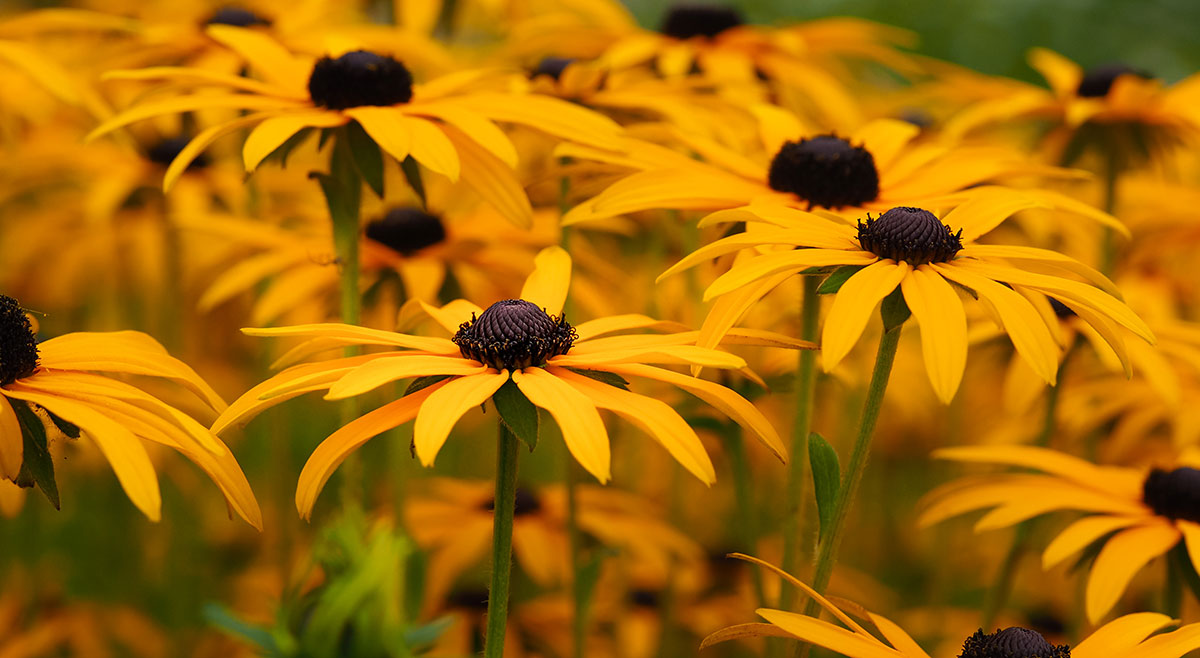
Perennials, shrubs, and trees that are native to Quebec perform well in harsh winters and hot summers. Examples include eastern white cedar, black-eyed Susan, and serviceberry. For small urban yards, compact native plants or drought-tolerant species can create vibrant, low-maintenance gardens.
“Using native plants is not just eco-friendly; it is practical,” I say. “They survive our winters and look great in every season. That is the beauty of planning with nature, not against it.”
Efficient Water Management
Water conservation is essential for sustainable landscaping. Proper irrigation, rainwater collection, and drought-tolerant plants reduce water usage and lower costs. Drip irrigation systems are more efficient than traditional sprinklers because they deliver water directly to plant roots.
Rain barrels or cisterns can capture runoff from rooftops, providing a free water source during dry periods. Contour planting and permeable surfaces help reduce erosion and allow water to soak into the ground rather than running off into storm drains.
“Water is a precious resource, especially in urban areas,” I note. “Simple choices like rain barrels and native plants can make a big difference.”
Use Sustainable Materials
The materials used in landscaping should also be sustainable. Avoid materials that require frequent replacement or that have a high environmental footprint. Natural stone, composite decking, and recycled materials are durable, attractive, and eco-friendly.
Mulching with organic materials reduces weeds, retains soil moisture, and enriches the soil as it breaks down. Using locally sourced materials also supports the community while reducing transportation emissions.
Design for Energy Efficiency
Sustainable landscaping can also improve energy efficiency in your home. Trees and shrubs planted strategically can provide shade in the summer and act as windbreaks in the winter. Properly placed greenery reduces energy use by keeping your home cooler in summer and warmer in winter.
“I always encourage clients to think about landscaping as part of their overall home environment,” I explain. “Plants and structures can make a noticeable difference in comfort and energy use.”
Support Local Wildlife
Creating a sustainable landscape includes supporting local wildlife. Birdhouses, native plants, and pollinator-friendly flowers help create habitats for birds, bees, and butterflies. Avoid pesticides and chemical fertilizers, which can harm these creatures and disrupt ecosystems.
Even in small urban yards, pollinator gardens and native plants can attract beneficial insects and wildlife, improving biodiversity and creating a more vibrant outdoor space.
Plan for Maintenance and Longevity
Sustainable landscaping is also about long-term planning. Choose plants and materials that require minimal maintenance while remaining durable and attractive. This reduces time, effort, and resource use over the years.
Pruning, mulching, and regular monitoring are all part of sustainable upkeep. The goal is to create a self-sustaining system that thrives without constant intervention.
Final Thoughts
Sustainable landscaping in Quebec is achievable with careful planning, native plant selection, and thoughtful design. By conserving water, using eco-friendly materials, supporting wildlife, and creating energy-efficient layouts, you can build a beautiful outdoor space that benefits both you and the environment.
Even small urban yards can become green havens with proper planning. Vertical gardens, rainwater collection, native plants, and multi-functional spaces allow you to maximize impact while minimizing environmental footprint.
Sustainable landscaping is not only good for the planet. It enhances your property, reduces maintenance, and creates a serene, livable outdoor space. With the right approach, Quebec homeowners can enjoy a functional, beautiful garden that stands the test of time and climate.