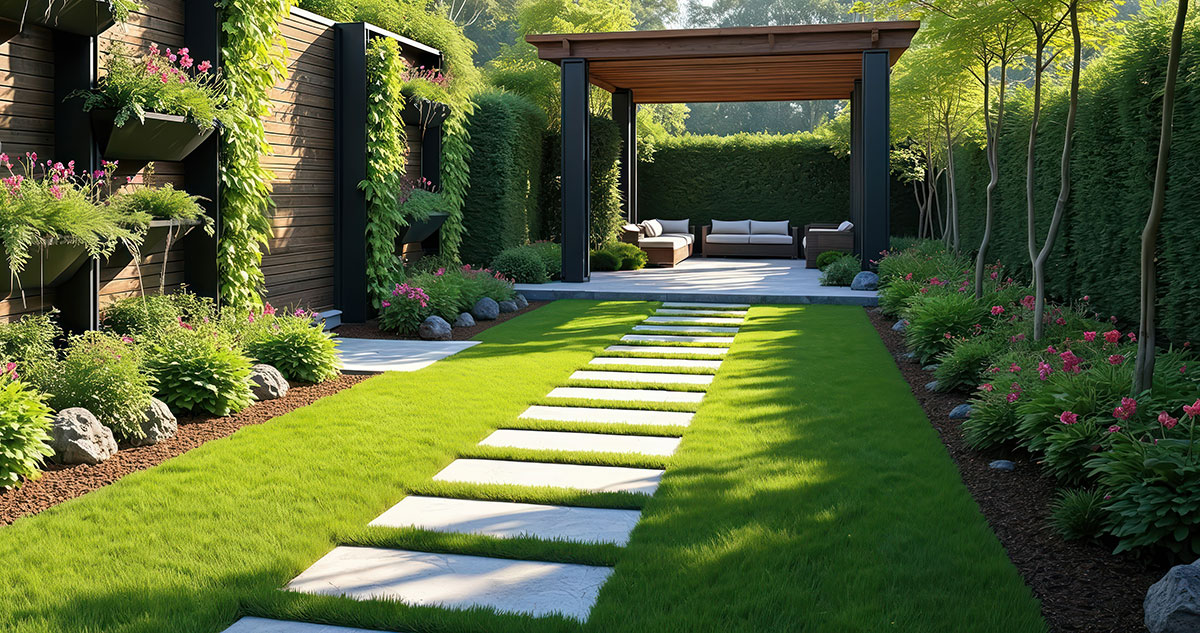
Living in Montreal often means working with smaller outdoor spaces. Many homes have compact backyards or narrow lots. While this can feel limiting, small urban backyards hold great potential. With thoughtful design, even a modest yard can become a functional, beautiful, and relaxing retreat.
I am Francesco Saltarelli, a Montreal-based landscape designer and founder of Saltarelli Outdoor Design. I specialize in creating high-end, livable outdoor spaces for urban homes. Over the years, I have transformed many small backyards into efficient, elegant environments where people can cook, relax, entertain, and connect with nature.
Start With a Clear Purpose
Before planning any layout, consider how you want to use the space. Do you want a quiet garden retreat, a spot for entertaining friends, or a functional play area for kids? Defining your priorities helps guide the design.
“I always ask my clients, what will you do in your backyard every day? Once you know that, the space can be tailored to your lifestyle,” I explain. Even a 200-square-foot yard can feel expansive if designed with purpose.
Clear purpose also helps determine the layout. Divide the backyard into zones for different activities. This creates structure and prevents the yard from feeling chaotic.
Use Vertical Space Wisely
In small urban backyards, vertical space is often underutilized. Adding height creates visual interest and maximizes greenery without taking up precious floor area.
Vertical gardens, trellises, and hanging planters allow you to grow flowers, herbs, or vegetables in a compact space. Green walls soften fences and provide privacy while bringing nature closer.
Pergolas, overhead structures, and climbing plants can create a sense of enclosure. These elements define space, offer shade, and make a small backyard feel more layered and spacious.
Create Multi-Functional Features
Every element in a small backyard should serve multiple purposes. A built-in bench can also provide storage for cushions or garden tools. A raised planter can double as a seating ledge.
Outdoor kitchens are a perfect example of multi-functional design. Even a small grill area with a countertop can become a hub for cooking, dining, and socializing. Integrating dining, prep, and seating areas in a compact layout makes the space highly usable.
“I designed a tiny Westmount backyard where the grill, seating, and planter boxes all overlapped,” I recall. “It felt larger than its actual size because every element served more than one purpose.”
Focus on Smart Layouts
Efficient layouts make a small yard feel larger. Clear pathways, defined zones, and strategic placement of furniture enhance flow and usability. Avoid overcrowding. Less is more in compact spaces.
Use angles, symmetry, or curves to create visual depth. Even subtle changes in elevation, such as a raised deck or a few steps, can make the yard feel more expansive.
Incorporate Lighting for Ambiance
Good lighting is essential in small outdoor spaces. Properly placed lights extend usability into the evening and highlight key features.
Pathway lighting, string lights, and subtle accent lights in planters can transform a small yard into a cozy retreat. Lighting also adds depth, making a confined space appear more open.
“I always encourage clients to think beyond functional lighting,” I advise. “Mood lighting can change how a space feels entirely, even in a backyard of only 250 square feet.”
Choose Durable, Low-Maintenance Materials
Montreal’s climate is tough on outdoor spaces. Winter snow, summer sun, and frequent rain require durable materials. Composite decking, treated wood, natural stone, and metal finishes stand up well to these conditions.
Low-maintenance surfaces reduce upkeep and keep the space looking fresh year-round. Pair these materials with resilient plants for a backyard that thrives despite the city environment.
Add Greenery Strategically
Plants make any yard feel more inviting. In small backyards, choose compact, multi-seasonal plants that thrive in local conditions. Native shrubs, perennials, and climbing plants add greenery without overwhelming the space.
Container gardens and modular planters are ideal for patios or tight corners. They can be moved or reconfigured as needs change, providing flexibility and style.
“I often recommend using plants to frame a space rather than fill it,” I explain. “Vertical greenery, tall shrubs, and planters help define zones and create the feeling of a larger backyard.”
Create Privacy Without Closing Off the Yard
Privacy is critical in urban backyards, but walls and fences can make a space feel smaller. Layered planting, lattices with climbing vines, and decorative panels offer separation while maintaining openness.
Strategically placed screens and plants can block sightlines from neighbors without cutting off sunlight or airflow. Privacy features should enhance the space rather than dominate it.
Make Every Inch Count
Small urban backyards require thoughtful design choices. Every inch should have a purpose. Multi-functional furniture, vertical gardening, durable materials, and efficient layouts all work together to maximize the space.
Even a compact backyard can host family gatherings, casual lunches, or quiet evenings with a book. The key is to combine style, function, and practicality.
Final Thoughts
Urban backyards in Montreal do not need to be large to be luxurious and functional. Careful planning, creative use of space, and attention to detail can transform small yards into beautiful, usable outdoor environments.
When designing for compact urban spaces, remember purpose, flow, and function. Layer greenery, use vertical space, and choose durable materials. Integrate seating, dining, and entertainment areas thoughtfully. With these steps, even the smallest backyard can feel like a private retreat.
By focusing on smart design rather than square footage, small urban backyards can become places to relax, entertain, and connect with nature. In the city, every backyard is an opportunity to create a personal oasis.